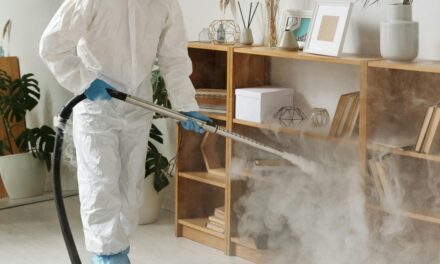
Trying to remove smoke smell from upholstery or your favorite armchair might be a headache for many people who struggle to find a real solution to this problem. When someone is constantly smoking in a room, eventually furniture and other materials will start to absorb gases and particles from smoke and start to release that disgusting aroma no one wants to have in their room.
One of the reasons why the room starts to release this aroma is that smoke particles settle deep in the fibers of your furniture, acting like secondary sources that continuously re-emit pollutants back into your living space. So, no matter how often you open your windows, if you don’t clean deep enough, the scent won’t ever go away. To truly remove smoke smell from upholstery, we would like to share 5 proven techniques that go beyond using a quick spray of perfume or using air purifiers.
Contents
- 5 techniques you need to remove smoke smell from upholstery and textiles
- 1. Use a HEPA-filter vacuum for physical surface removal
- Why vacuuming isn’t enough for deep reservoirs?
- 2. Combine alkaline and acidic wet cleaning for better results
- 3. High-temperature steam extraction
- 4. Ozonation for persistent odors
- 5. Adsorption with activated charcoal and baking soda
5 techniques you need to remove smoke smell from upholstery and textiles
1. Use a HEPA-filter vacuum for physical surface removal
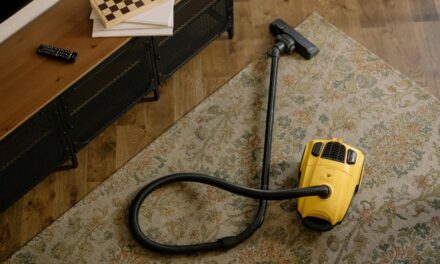
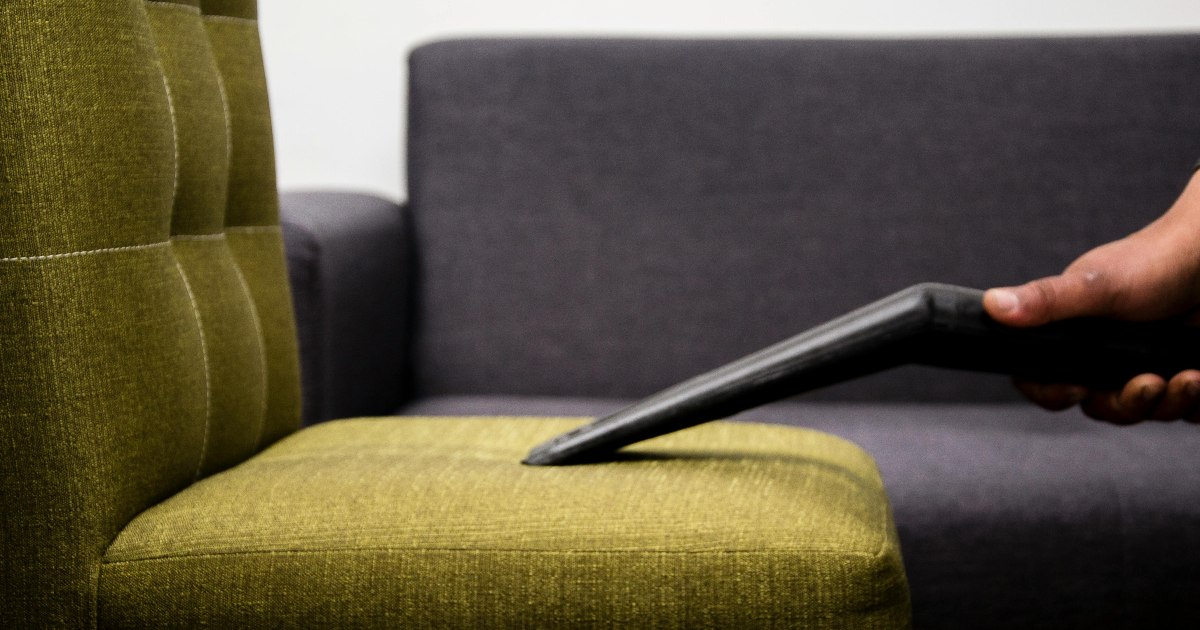
The most effective way to remove smoke smell from upholstery is physical extraction, as research demonstrated that smoke residues accumulate in settled house dust. Because this dust is the main storage site for semi-volatile organic compounds (SVOCs), wiping the surface won’t be enough. Instead, it is recommended to use vacuums including high-efficiency particulate air (HEPA) filters.
In a recent study conducted in multiunit housing in the US, HEPA vacuuming was a core component of cleaning protocols that reduced surface nicotine successfully—after cleaning the surface nicotine was reduced by around 43%. By extracting the smoke-laden dust before it can be resuspended into the air, you are physically depleting the surface reservoirs that fuel the smoke odor.
Why vacuuming isn’t enough for deep reservoirs?
Even though vacuuming can clear the surface it often struggles with properly cleaning the deep reservoirs like wall-to-wall carpets and thick cushions. Since smoke constituents like nicotine and polycyclic aromatic hydrocarbons (PAHs) penetrate deep into these materials remaining for weeks or even years, cleaning only the surface won’t solve the problem. Cleaning the surface will only drag the VOCs buried within the foam and padding to the top once you finish, which is a process known as replenishment.
2. Combine alkaline and acidic wet cleaning for better results
One of the most fascinating discoveries regarding smoke smell is that the pH of your cleaning solution matters as much as the soap itself. Many household cleaners are alkaline, which cause certain compounds like nicotine to volatilize into the air. For this reason, if you want to remove smoke smell from upholstery effectively, is recommended to follow a two-step approach.
First, use an alkaline cleaner such as the Simple green all-purpose cleaner to break down oily residues, followed immediately by an acidic solution such as distilled white vinegar. Using an acidic solution turns the free nicotine compounds into stable salts, which are far easier to dissolve and wash away permanently.
3. High-temperature steam extraction
For textiles that can handle moisture always chose the deep steam cleaning, but be aware of the temperature. Research from the University of California regarding thirdhand smoke (THS) found that while cotton and terry cloth release smoke chemicals easily compared to synthetic fabrics like polyester, which are more stubborn. However, to remove smoke smell from upholstery made of polyester or wool, you will often need to apply a higher temperature—specifically up to 60°C—during the extractions process to ensure that the molecules bound to these type of fabrics are finally released.
4. Ozonation for persistent odors
Ozone generators are usually recommended when physical cleaning reaches its limits. Ozone is a highly reactive gas that interacts with smoke constituents, such as nicotine, effectively eliminating them from surfaces. In laboratory settings ozonation considerably reduced smoke constituents on polyester fabrics, often reaching pre-smoking levels.
However, if you choose this industrial method to remove smoke smell from upholstery, please be cautious as ozonation creates secondary organic aerosols and formaldehyde. Because of these effects, spaces must remain unoccupied during treatment for at least 3 hours to allow these byproducts to settle and ventilate, otherwise it could irritate and compromise your lungs health.
5. Adsorption with activated charcoal and baking soda
If you want to eliminate localized odors, simple household remedies remain an inexpensive yet practical choice. Using activated charcoal is highly efficient due to its absorbent properties that trap the smell effectively. You can also use baking soda that neutralizes volatile sulfur-containing compounds that contribute to the foul aspect of smoke.
When these two household remedies are combined, they have shown significant reduction in odor intensity according to organoleptic testing in laboratories. Placing small bowls or boxes near your furniture can help manage the off-gassing that happens between your deep cleaning sessions to remove smoke smell from upholstery.
Lastly, to effectively remove smoke smell from upholstery, follow the previously mentioned five proven techniques starting with the deep HEPA vacuuming to remove the dust reservoir. If you have already tried these techniques an the smell still persists, perhaps the ozone treatment might be the final method to knock out the remaining molecules.