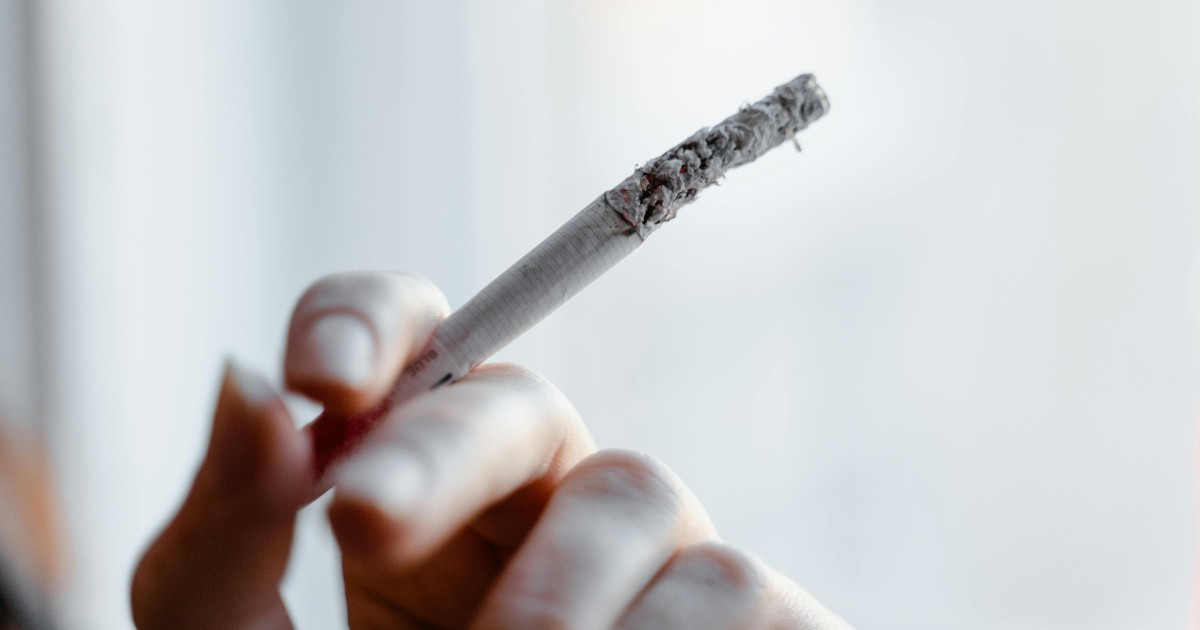
Trying to remove smoke odor is one of the most difficult tasks for people across the country, especially when dealing with cigarette odor, which appears to be stuck to your walls no matter what you do. To truly clear the air of these annoying smells, you will need to start by understanding why this scent is so hard to remove.
Cigarette odor is also known as thirdhand smoke (THS), which is a complex mixture of residues that settle on surfaces even after the actual smoke has cleared. Therefore, to remove this residue, researchers suggest using the “4 Rs” approach, which explains how tobacco chemicals interact with your rooms and home. Here, we will explore how understanding this approach can help you find a proven way to get fresh air without using hazardous chemicals.
Contents
- What exactly are the “4 Rs” to remove smoke odor?
- Why do some materials hold onto smells longer than others?
- How to remove smoke odor effectively and safely?
- The power of physical removal
- Are plants really efficient to remove smoke odor?
- Organic hacks you can use for a fresher home
- What about ozone generators?
What exactly are the “4 Rs” to remove smoke odor?
To effectively remove smoke odor from indoor spaces, we need to start by understanding the “4 Rs”: Remain, React, Re-emit, and Resuspend. According to researchers at the California Consortium, when someone smokes tobacco, chemicals don’t just vanish; some of its toxins remain, react, re-emit, and/or are resuspended by absorbing into porous materials like your sofa, carpets, and even drywalls. Once they have been absorbed, they can react with common indoor gases like those from a gas stove or even outdoor smog, to form new substances known as tobacco-specific nitrosamines (TSNAs).
This means, that with these new substances you aren’t dealing only with old smoke; you are living inside a slow-motion chemical reaction. When these trapped chemicals re-emit back into the air, the smell can return even after you’ve aired out a room. Finally, you will also need to consider house dust particles that can resuspend into the air when you walk across the carpet or sit on a chair, leading to continued inhalation.
Why do some materials hold onto smells longer than others?
Some materials hold onto smells longer than others because not all surfaces are created equal when it comes to trapping smoke. Researches from the University of California, showed that fabrics like terry cloth and cotton tend to smell longer, because they have a high capacity to absorb nicotine.
Interestingly, while synthetic fibers like polyester can absorb less at first, once the chemicals have settled they can become tightly bound and be very difficult to extract under dry conditions. This explains why your cotton t-shirts and thick fabric could be the primary culprits when attempting to remove smoke odor without success.
How to remove smoke odor effectively and safely?
To remove smoke odor effectively and safely, the most important thing to understand is that perfumes or air fresheners won’t do the work since they only add a pleasant scent to a toxic environment. Based on a study published in Science Advances, “surface cleaning activities (vacuuming, mopping, and dusting) physically removed surface reservoirs and thus reduced indoor smoke VOC concentrations more effectively than portable air cleaners and more persistently than window opening”. In other words, you have to start first by physically removing the reservoirs—the hidden spots where odors and toxins hide and accumulate over time.
The power of physical removal
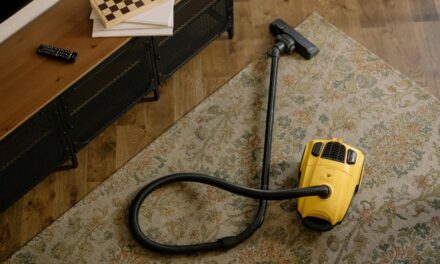
While it might sound simple, deep cleaning is your best friend for odor removal. Using a vacuum with a HEPA filter and wet-cleaning surfaces can drastically lower nicotine levels and eliminate hidden reservoirs. For hard surfaces, it is recommended that you use a soap and water solution because some cleansers can react with smoke residue and cause irritation. Also, avoid alkaline cleaners such as ammonia, which may appear forceful but can cause nicotine to volatilize and re-emit into the air more quickly.
Are plants really efficient to remove smoke odor?
Plants are an amazing ally, but you won’t remove smoke odor just by placing a bunch of plants. However, using plants to clean air is a scientifically proven method and eco-friendly way for reducing indoor pollutants. For example, potted plants can absorb several volatile organic compounds (VOCs) and even help regulate indoor temperatures.
The Golden Pothos and Spider Plant are among the most effective plants for absorbing formaldehyde and carbon monoxide. In one study, a ventilated room with plants was able to reduce the time needed for pollutants to reach safe levels by over eight hours compared to a room without them.
Organic hacks you can use for a fresher home
Besides deep cleaning and placing plants in your home, there are a few science-backed tips that can help you remove smoke odor without the need of hazardous chemicals like bleach.
- Activated charcoal and baking soda: Activated charcoal has amazing absorbing properties as it is incredibly porous, while baking soda helps neutralize acidic sulfur compounds.
- Eco-enzymes: They are made from fermented organic waste like fruit peels that act as catalysts to break down the chains of odorant compounds like VOCs and even change the nature of nicotine. According to research, this will make it less likely to stay in the gas phase.
- Controlled ventilation: It is not only about opening windows; it is more effective when the internal temperature is kept warm to aid in the off-gassing of trapped pollutants.
What about ozone generators?
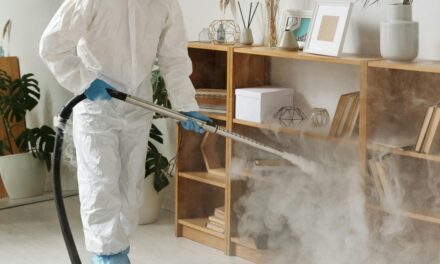
Professional restoration and ozone generators are highly searched to remove smoke odor, however, they might not be the best course of action. While ozonation is effective at breaking down odors and chemicals, high levels of ozone can irritate the respiratory system and create harmful byproducts like ultrafine particles and formaldehyde. If you still want to go for the professional ozone service, the space must be unoccupied and you should wait at least three to 5 hours after the treatment before re-entering.